72 hr
East Java Volcanoes & Waterfall: 3-Day Bromo, Ijen & Tumpak Sewu
Journey across East Java's volcanic heartland—witness sunrise over Bromo, hike to Ijen's blue flames, and explore a cascading jungle waterfall.
Reserve
Hand-picked by our editors — only the best 5 itineraries from 18 reviewed.
Verified partners for every tour, free cancellation where available, and instant confirmation on every booking.
72 hr
Journey across East Java's volcanic heartland—witness sunrise over Bromo, hike to Ijen's blue flames, and explore a cascading jungle waterfall.
Reserve
72 hr
Witness two legendary Java volcanoes in one journey: Bromo's cloud-top sunrise and Ijen's blue flames
Reserve
72 hr
Three-day journey across Java's most dramatic volcanic landscapes with sunrise treks and blue flames
ReservePrices from verified partners. Availability updates in real time at checkout. Free cancellation policies apply where shown.
The landmarks, rooms, and views travelers on this tour remember — all visible on a single visit.
A spectacular curtain-like waterfall reaching over 120 meters in height.
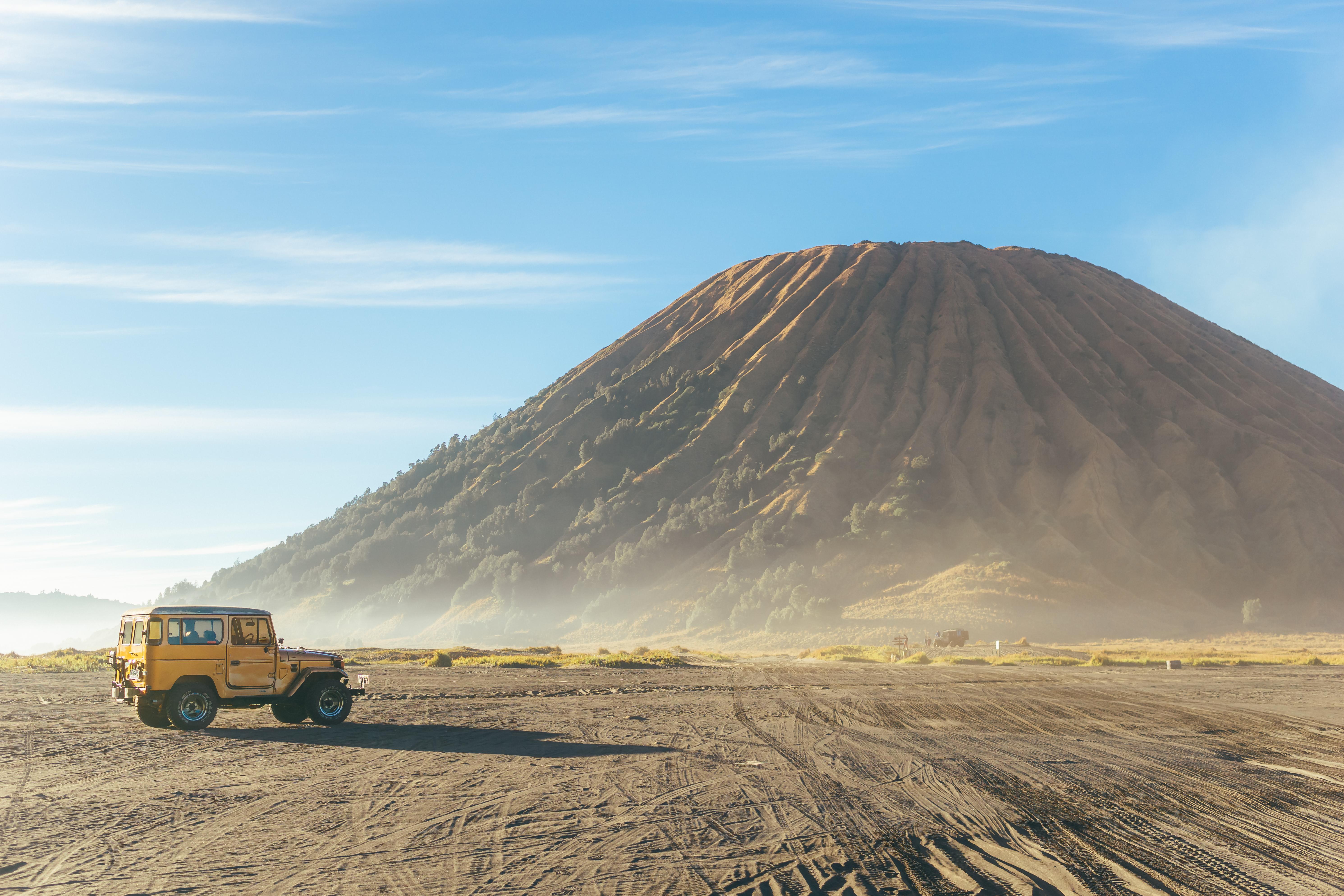
An active volcanic crater surrounded by a vast sea of volcanic sand.
Home to the famous blue flames and the most acidic lake in the world.
A unique cave system featuring multiple waterfalls and mineral formations.
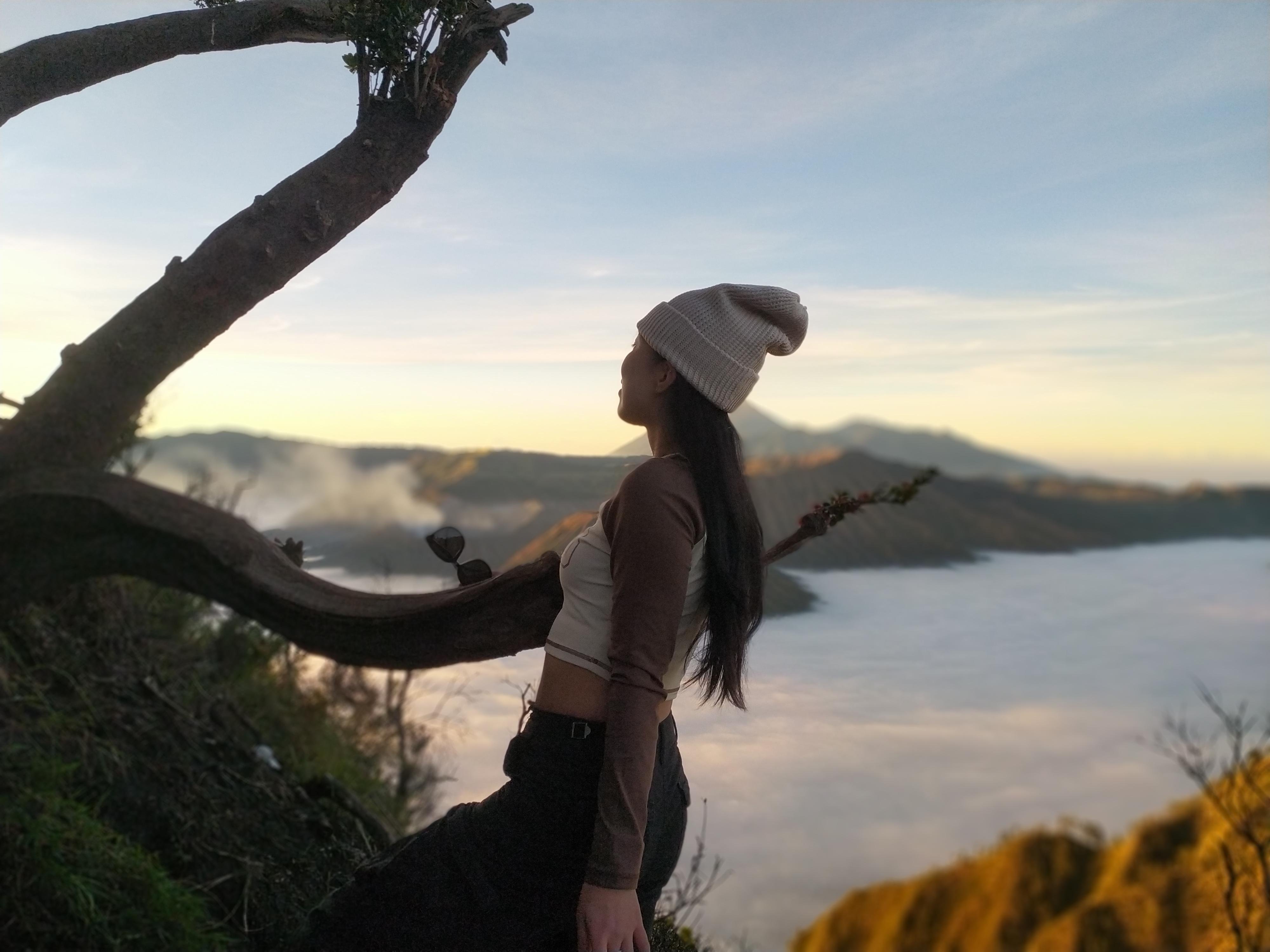
The highest point to view the Bromo Tengger Semeru landscape at sunrise.
Guided multi-day expeditions prioritize time-saving convenience, whereas independent solo travel offers total autonomy at the expense of significant logistical effort. Choosing the yogyakarta bromo ijen bali tour ensures seamless transit through complex East Java terrains.
| Feature | Top pick Guided Overland Tour | Independent Solo Travel |
|---|---|---|
Logistical Complexity |
Managed itinerary and logistics | High personal coordination required |
Safety Standards |
Vetted drivers and local guides | Full individual responsibility |
Time Efficiency |
Optimized routes reduce travel time | Frequent delays due to public transit |
Transportation Arrangements |
Private 4x4 and air-conditioned van | Public buses and motorbike rentals |
Access to Remote Sites |
Direct door-to-door access | Requires complex local transfers |
Planning Effort |
Zero prep beyond booking | Extensive research for yogyakarta bromo ijen bali tour tours |
| See tickets → |
Verdict: Securing yogyakarta bromo ijen bali tour tickets provides superior safety and efficiency for travelers seeking to visit the Tumpak Sewu, Bromo, and Ijen landmarks without the burden of navigating local transit, whereas independent solo travel is best suited for those prioritizing flexibility over ease of movement.
Choose your ticket, select your date, and reserve in under two minutes. Secure checkout handled by our verified partner.
Instant confirmation by email, with a mobile voucher you can save offline. No printing, no queuing at a collection desk.
Arrive at the entrance, show your voucher on your phone, and walk in. Most tickets include priority or skip-the-line access.
Practical details for your visit straight from our verified partners — hours, access, rules, and how to get there.
Jalan Pasar Kembang
Main hub for regional departure
Executive class trains from Yogyakarta to Probolinggo are the most efficient long-distance option.
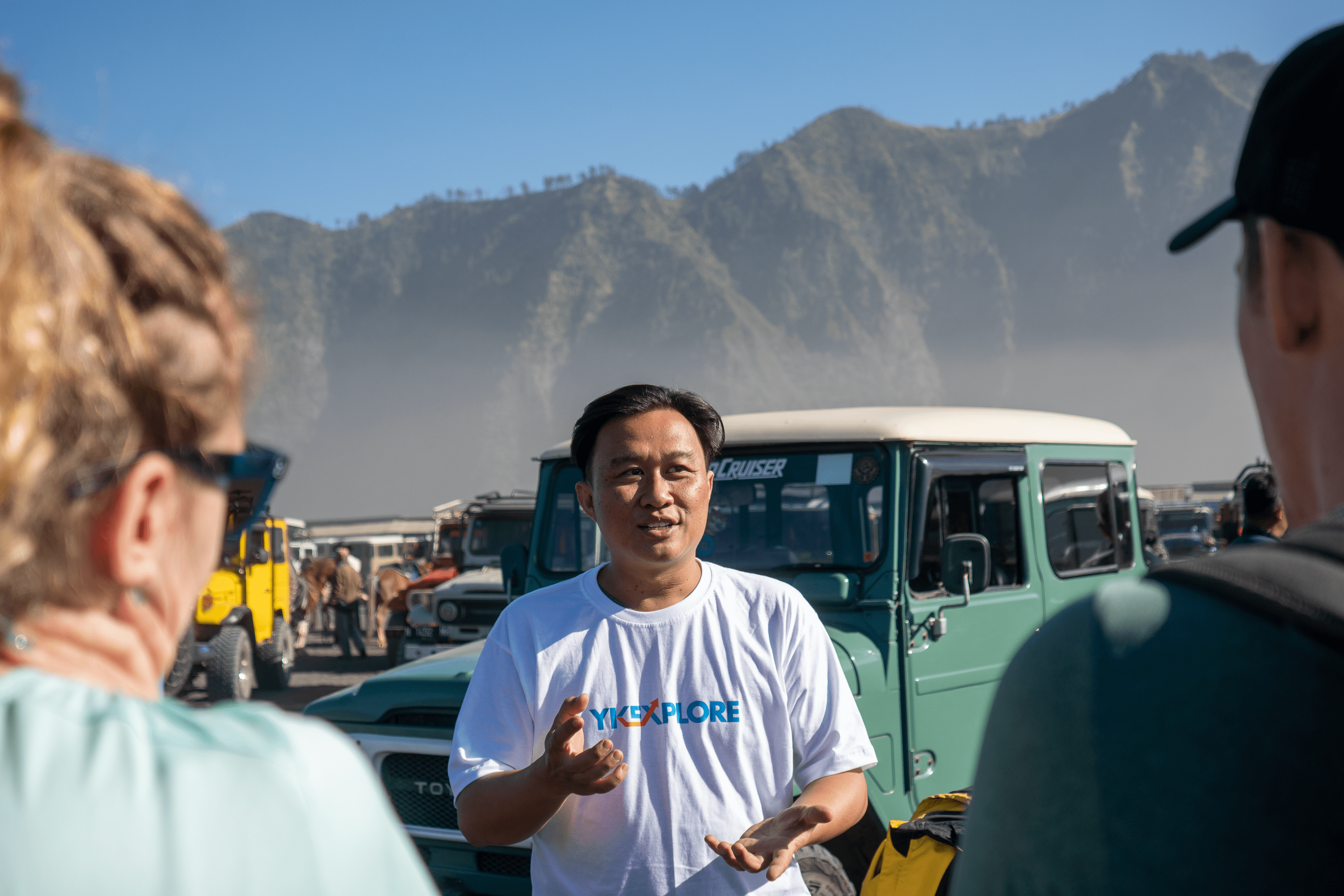
Private hired drivers are recommended for the multi-day yogyakarta bromo ijen bali tour itinerary.
Dress in layers for significant temperature drops at mountain altitudes. Sturdy trekking shoes with good grip are essential for the slippery paths at Tumpak Sewu and Ijen.
Keep valuables in a secure, water-resistant daypack during transit. You must carry a health certificate for the Ijen hike as per local requirements.
Tripods are permitted at most viewpoints, but avoid blocking narrow paths. The blue flames at Ijen are best captured with long-exposure settings before sunrise.
These natural sites are not wheelchair accessible due to steep, rugged terrain and uneven mountain paths. Moderate to high physical stamina is required for the full yogyakarta bromo ijen bali tour.
Network coverage is sporadic in remote volcanic areas. Download offline maps and keep devices fully charged, as cold weather drains batteries quickly.
The itinerary involves long drives and physically demanding hikes that may not be suitable for young children. Consider private arrangements to allow for flexible pacing.
Bring plenty of water and energy-dense snacks, as food options are limited near trailheads. Local homestays in Bromo and Ijen areas typically provide breakfast.
Pets are not permitted on hiking trails or in national park protected areas.
The yogyakarta bromo ijen bali tour covers vast distances; prepare for early morning starts around midnight to catch the Bromo sunrise and Ijen blue fire.
Best time to go, insider tips, nearby landmarks, and the cancellation fine print — flip through to skim what matters to you.
How crowds, weather, and events shift across the year.
Dry season provides the clearest skies for sunrise views and safer hiking conditions. Expect cool temperatures at higher altitudes during these months.
Small details that turn a good visit into a great one.
Secure your yogyakarta bromo ijen bali tour tickets during dry season months to avoid disappointment.
Temperatures near Bromo can drop to near freezing; bring a thick jacket.
A guide is essential for navigating the steep paths to the base of Tumpak Sewu.
ATMs are limited near mountain villages; bring enough IDR for entrance fees and small expenses.
Midnight departures are standard for Bromo and Ijen to ensure prime viewing of natural phenomena.
Non-bookable sights within a short walk — free to visit, easy to pair.
A cave system with internal waterfalls near Tumpak Sewu.
A sacred Hindu site located in the Bromo sea of sand.
A vast grassy plain inside the Bromo caldera.
A massive waterfall located in a deep canyon near Bromo.
Flexible, no hidden fees.
Full refund available for cancellations made at least 24 hours in advance. This includes the bundled conservation fee for your yogyakarta bromo ijen bali tour.
Hand-picked options within walking distance — pick a district for vibe, or a specific hotel for convenience.
Basic guesthouses located at the Bromo crater rim.
Comfortable lodging positioned near the Ijen trailhead.
City hotels ideal for resting before Tumpak Sewu visits.
The overland corridor linking Yogyakarta's temple plains to Bali's southern beaches threads through East Java's volcanic spine, a three-hundred-kilometer traverse that climbs caldera rims, descends into sulfur-laden craters, and pauses at one of Java's tallest waterfalls. Mount Bromo rises from the Tengger caldera, a 2,329-meter cone surrounded by a lunar expanse of ash known as the Sand Sea; sunrise here lights the entire crater amphitheater, revealing five volcanic peaks in a single frame. Forty kilometers east, Kawah Ijen holds the world's largest acidic crater lake, its turquoise surface fed by fumaroles that burn electric blue after dark—miners extract sulfur from the vent at dawn, shouldering eighty-kilogram loads up a three-kilometer trail. Between the two volcanoes, Tumpak Sewu spills over a semicircular basalt ledge in dozens of separate curtains, the Glidik River plunging 120 meters into a jungle gorge that requires a descent of more than 800 steps to reach the base pool. The Yogyakarta Bromo Ijen Bali tour itinerary emerged in the early 2010s as budget airlines opened Yogyakarta's airport and travelers sought alternatives to the coastal highway, opting instead for highland routes that linked cultural and geological landmarks in a single multi-day arc. The three-day format—two nights in guesthouses near Bromo and Banyuwangi, with pre-dawn departures for crater viewpoints—became the standard template, though four-day versions now incorporate the Tumpak Sewu detour and a final transfer to Bali's Sanur or Ubud. The route favors jeep convoys for the Sand Sea crossing and 4x4 shuttles for the steep approach roads; the Ijen summit trail, unpaved and lined with sulfur-stained rock, remains accessible only on foot. Guides carry gas masks for visitors descending into the crater proper, where sulfur dioxide concentrations can exceed safe thresholds within fifty meters of the active vent. East Java's volcanic arc sits above the Sunda Trench, where the Indo-Australian Plate subducts beneath Eurasia at a rate of seven centimeters per year, feeding a chain of stratovolcanoes that stretches from Sumatra to the Lesser Sunda Islands. Bromo last erupted in 2016, scattering ash over a thirty-kilometer radius; Ijen's phreatic explosions, though less frequent, maintain a persistent fumarolic plume visible from the crater rim. The Tengger Caldera, formed by a collapse event roughly 45,000 years ago, now hosts a Hindu community that performs annual Yadnya Kasada ceremonies at Bromo's base, tossing offerings into the active crater as thanks for harvest yields. The waterfall at Tumpak Sewu, meanwhile, owes its volume to the Semeru massif upstream, Java's highest peak at 3,676 meters, whose seasonal melt feeds the Glidik and its tributaries year-round.

"Sunrise here lights the entire crater amphitheater, revealing five volcanic peaks in a single frame."
A step-by-step walkthrough of the visit — what you'll see, how long each stage takes, and the details that matter.
You depart Yogyakarta in the afternoon, the van climbing past terraced rice paddies as the highway bends east toward Probolinggo. By evening you reach a guesthouse on Bromo's northern slope, altitude 2,100 meters, where temperatures drop to single digits after dark. The alarm rings at 03:00—you board a jeep convoy that crosses the Sand Sea in darkness, headlights tracing the gravel track to Pananjakan viewpoint. You arrive thirty minutes before first light, the caldera floor still invisible below, and wait among a hundred other visitors as the sky shifts from indigo to violet. When the sun breaks the horizon, Bromo's crater and the neighboring peaks of Batok and Semeru emerge in layered silhouette, smoke trailing from Semeru's distant summit. After breakfast you descend to the crater floor, crossing the ash plain on foot or horseback to reach Bromo's cone. Two hundred fifty steps lead to the rim; sulfur fumes rise from the center, and the morning light turns the crater walls ochre and rust. The next day you drive south to Tumpak Sewu, descending the trail to the waterfall's base—your boots slip on wet stone, and mist drifts through the gorge. On the third morning you leave for Banyuwangi before midnight, reaching Ijen's trailhead at 02:00. The three-kilometer ascent takes ninety minutes; at the crater rim you look down at blue flames flickering beside the sulfur vent, miners already at work despite the darkness. By 06:00 the lake glows turquoise under full daylight, and you begin the descent toward the coast, Bali visible across the strait.
The trek is demanding, requiring good stamina for multiple volcanoes; beginners should be prepared for significant hiking.
Bromo is open 24/7, while Ijen typically opens at 02:00 for the blue fire hike.
Yes, booking your yogyakarta bromo ijen bali tour in advance is highly recommended to secure transport and accommodation.
Wear modest clothing for temples and warm, layered gear for volcano summits.
Most operators offer a full refund if you cancel your yogyakarta bromo ijen bali tour at least 24 hours prior.
Yes, many travelers add a stop at Borobudur or Prambanan when starting their yogyakarta bromo ijen bali tour.
The hike to the base of Tumpak Sewu is steep and slippery; it requires moderate to high physical fitness.
Children can join, but the long drives and early wake-up times make it challenging for younger ones.
If a park closes due to volcanic activity, reputable operators will provide a partial refund or alternative itinerary.