English| EUR
Suggested for you
More currencies
Choose a language
Yogyakarta sits at the geographical and logistical center of Java's volcano circuit, combining temple access with onward connections to Tumpak Sewu, Mount Bromo, and Ijen Crater. The question isn't whether the city has merit—it's whether your itinerary needs it, and how much time it deserves before you head east.
Quick answer
Yes, Yogyakarta is worth visiting if you're building a multi-day volcano itinerary across East Java. The city serves as the most practical entry point for travelers flying into Indonesia, offers direct access to Borobudur and Prambanan temple complexes, and provides the last reliable infrastructure—hotels, transport booking, gear rental—before the overland journey to Tumpak Sewu, Bromo, and Ijen begins. Most travelers allocate two to three days here before heading east.
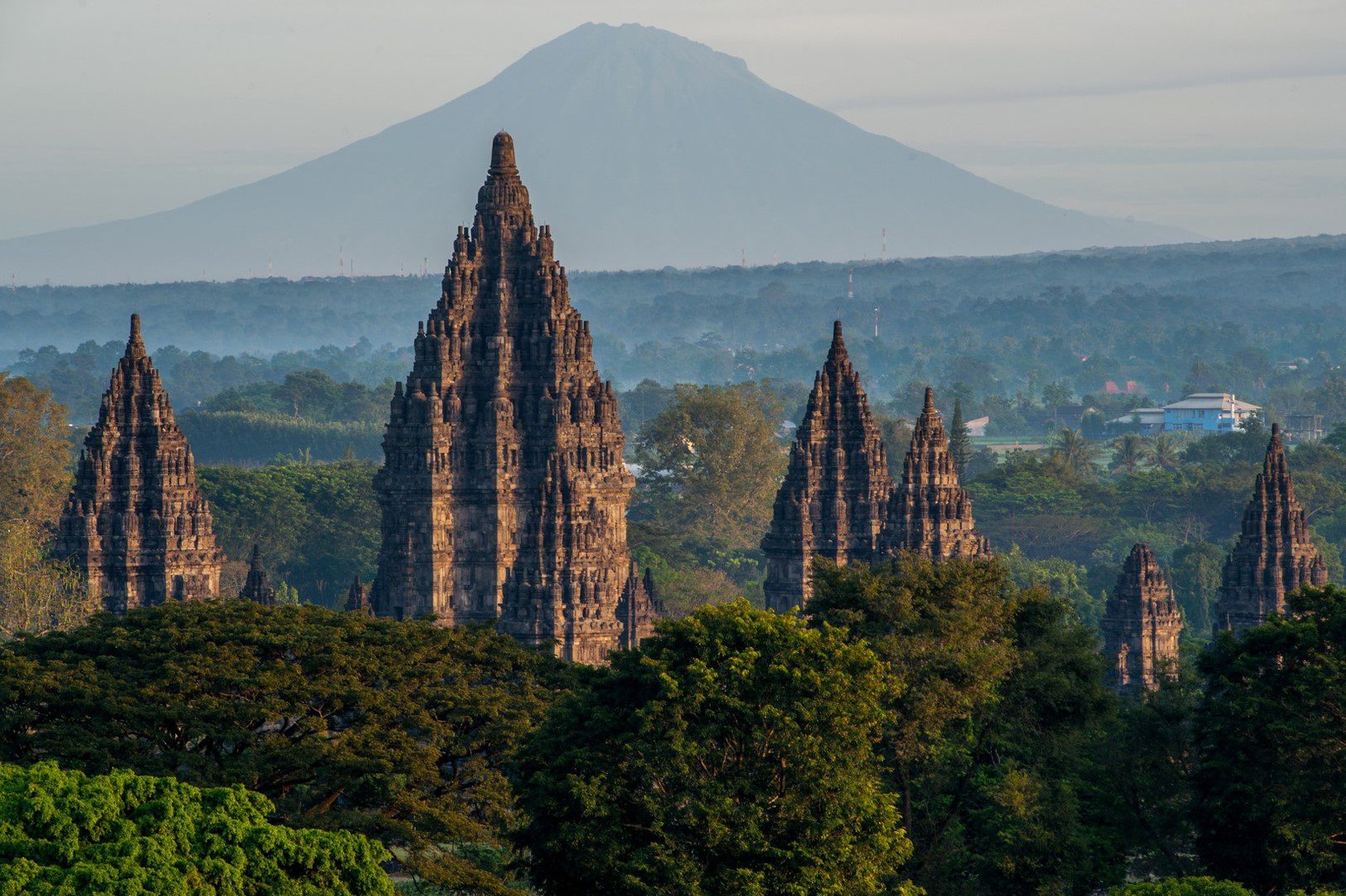
Yogyakarta processes more international arrivals bound for Java's volcanic highlands than any other city in the region, yet its value isn't obvious from the airport. The city itself sprawls across a flat basin with little natural drama, and the temples that anchor its reputation—Borobudur and Prambanan—lie an hour outside the urban core. What makes Yogyakarta essential is what happens after you leave it: every overland route to Tumpak Sewu, Bromo, and Ijen begins here, and the city's transport network, accommodation density, and tour operator ecosystem make it the default staging ground for multi-day volcano circuits. The practical case for is yogyakarta worth visiting rests on logistics rather than landmarks. Tumpak Sewu sits twelve hours east by road, accessible only through a combination of private hire or public minibus transfers that require advance booking. Bromo and Ijen follow a similar pattern—reaching either summit means coordinating pre-dawn departures, jeep rentals, and guide arrangements that are difficult to secure from outside Java. Yogyakarta's Malioboro district concentrates dozens of operators who run these routes daily, and the city's hotel corridor along Jalan Prawirotaman serves as the informal briefing point for travelers assembling multi-stop itineraries. The alternative—flying directly into Surabaya and working backward—leaves you in a less walkable city with fewer English-speaking operators and no cultural buffer before the physically demanding trek schedule begins. Borobudur and Prambanan justify the stop on their own terms. Borobudur opens at sunrise for visitors willing to pay the conservation surcharge, and the monument's stone relief panels—covering 2,672 individual frames—document Mahayana Buddhist cosmology in a form that predates Angkor Wat by three centuries. Prambanan's Shiva temple rises forty-seven meters from the valley floor, and its proximity to the airport makes it a viable same-day visit for travelers arriving on morning flights. Neither site requires more than half a day, but both anchor the argument that a Yogyakarta stopover delivers value beyond its role as a transport node. The city's street food economy and batik workshop district add texture without demanding itinerary space. Gudeg—young jackfruit stewed in coconut milk and palm sugar—appears on every warung menu, and the night market along Alun-Alun Kidul operates seven days a week with no admission threshold. Batik production remains a hand-drawn process in the workshops near Taman Sari, where artisans work in open courtyards and visitors can watch the wax-resist technique without joining a formal tour. These elements don't make or break the case for is yogyakarta worth visiting, but they fill the margins around temple visits and pre-trek preparation. For travelers flying into Java with Tumpak Sewu, Bromo, and Ijen on the itinerary, Yogyakarta functions as the necessary first chapter. The city absorbs jet lag, provides the infrastructure to book onward legs, and offers cultural weight before the focus shifts to volcanic terrain and alpine cold.
“Every overland route to Tumpak Sewu, Bromo, and Ijen begins here, and the city's transport network makes it the default staging ground for multi-day volcano circuits.”
Choosing between Yogyakarta and the East Java volcanic region requires deciding whether you prioritize immersion in Javanese history and art or active exploration of dramatic natural landscapes. Yogyakarta serves as the cultural heart of Java, while Tumpak Sewu, Bromo, and Ijen offer high-intensity outdoor experiences.
| Yogyakarta Cultural Heritage | East Java Volcanos Natural Adventure Recommended | |
|---|---|---|
| Experience Type | Historical and artistic engagement | Geological and trekking exploration |
| Primary Focus | Temples, palaces, and crafts | Waterfalls and volcanic summits |
| Physical Demand | Low to moderate | High |
| Typical Duration | 3 to 5 days | 2 to 3 days |
| Travel Vibe | Urban and relaxed | Remote and strenuous |
Verdict: Select Yogyakarta if you seek deep cultural connection, or choose the East Java volcanoes if you prioritize physical challenge and dramatic natural scenery.
This four-day loop starts in Yogyakarta and moves eastward through Java's volcanic highlights, finishing at Ijen. It suits travelers who want cultural context before remote treks and prefer to end near Bali ferry connections.
Arrive in Yogyakarta, explore Borobudur or Prambanan temples, and arrange onward transport. Use this day to confirm your driver or tour pickup for the overnight journey to Bromo.
Depart Yogyakarta around midnight; arrive at Bromo viewpoint by 04:00 for sunrise over the caldera. After sunrise, descend to the crater floor and walk to the rim—allow three hours total before moving on.
Drive south from Bromo (4-5 hours) to reach Tumpak Sewu by mid-afternoon. Check into nearby guesthouse in Lumajang and rest before the next morning's trek.
Arrive at the falls by 07:00 to start the 500-step descent in cooler air. Budget two hours at the base for photos and the return climb, finishing before midday heat.
Travel northeast to Banyuwangi or Licin (3-4 hours) and settle into accommodation near Paltuding trailhead. Arrange your midnight departure with the guesthouse.
Start the ascent around 01:00 to reach the crater by 03:00 for blue flames. Stay for sunrise over the acid lake, then descend by 07:00 and continue to Ketapang port or Bali.
Tumpak Sewu is open daily to visitors throughout the week. Planning your trek within the specified operational window ensures access to the area.
Tumpak Sewu is located in Pronojiwo, Lumajang Regency, East Java. Travelers typically reach the site via private car or bus from major hubs like Malang, Surabaya, or via ground transport connections from Yogyakarta and Mount Bromo.
Yogyakarta to Malang (Malioboro Express)
Malang to Pronojiwo via Jl. Raya Dampit
Surabaya (Bungurasih) to Lumajang
Mount Bromo to Pronojiwo
Plan your arrival for the 07:00–09:00 window to avoid afternoon clouds and maximize visibility. Expect a descent involving 500 steps to reach the waterfall basin.
This multi-day trip crosses volcanic terrain, high-altitude viewpoints, and steep descents — prepare for varying conditions.
Everything you need to know about is yogyakarta worth visiting
Yogyakarta serves as an excellent starting point for those looking to see both historical temples and natural wonders like Tumpak Sewu. Many travelers find that is Yogyakarta worth visiting for its proximity to Borobudur and Prambanan before moving toward East Java. While Yogyakarta offers a deep dive into Javanese traditions, a Bromo and Ijen tour focuses on volcanic landscapes and geothermal activity. Balancing cultural exploration with a Bromo and Ijen tour creates a comprehensive Indonesian itinerary. Combining these regions is a popular choice for visitors wanting to see the full scope of Java. Starting with Yogyakarta landmarks allows for a gradual transition into the more strenuous adventure trekking found further east. Visitors should aim for the best arrival window of 07:00–09:00 to avoid afternoon clouds and maximize daylight for the trek. This timing ensures better visibility for the waterfall and safer conditions for your descent. There are 500 steps to access the base of the waterfall, requiring a moderate level of physical fitness. Ensure you are prepared for the descent and climb during your visit. If you prioritize hiking volcanoes, is Yogyakarta worth visiting primarily for its cultural heritage and proximity to transport hubs. You can treat the city as a gateway to the more rugged terrain found in the eastern part of the island. Yogyakarta is home to ancient sultanates and artistic traditions that are distinct from the volcanic highlights elsewhere. Travelers often ask is Yogyakarta worth visiting to understand the spiritual and architectural history of the region. Many people choose to fly or take a train from Yogyakarta toward Surabaya to begin their Ijen crater ascent. Planning this route allows for a logical progression through the diverse environments of the island.